

What is methanization? Understanding the process and its challenges

Anaerobic digestion is a natural process used to recycle organic waste in an oxygen-free environment that enables microorganisms to break down the feedstock into biogas and digestate. This happens naturally in certain environments, such as marshes, but can also be artificially reproduced in special plants called ‘digesters’ with controlled conditions (low-pressure, oxygen-free environments kept at 38°C). Biogas can be used to produce biomethane fuel (bioCNG), electricity and heat, while digestate can be used as part of a fertiliser spreading plan.

Feedstock for biomethane production
Any organic waste can be used as feedstock for the production of biogas or biomethane:
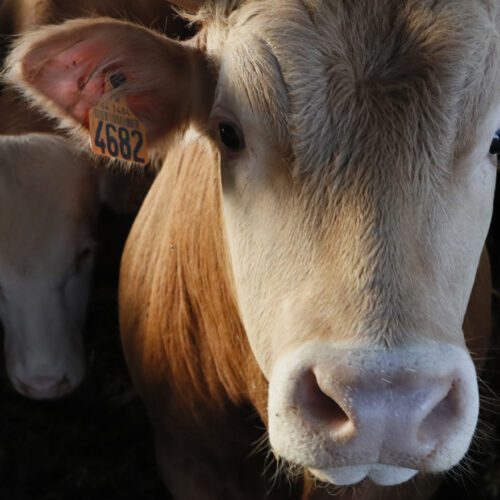
Agricultural waste
Dry or liquid manure from pigs and cattle, agricultural residues, poultry manure, etc.
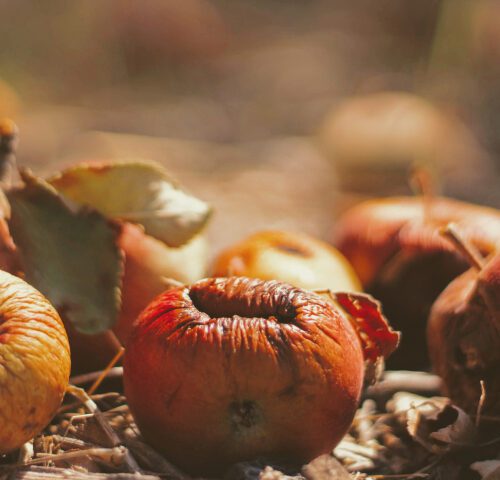
Community waste
Biowaste from the catering industry, grass clippings, chaff, roadside mowing, silage. etc.
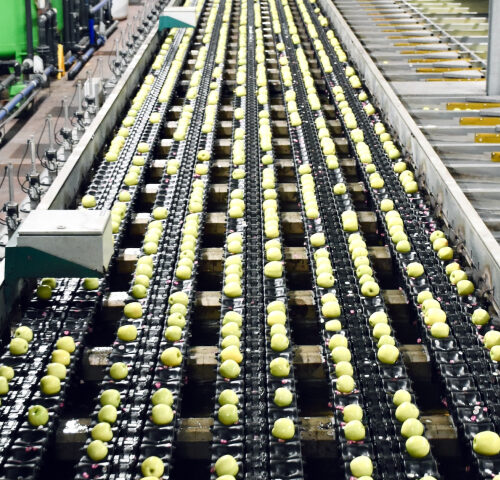
Food industry waste
Animal or vegetable fat, fruit, vegetables, etc.
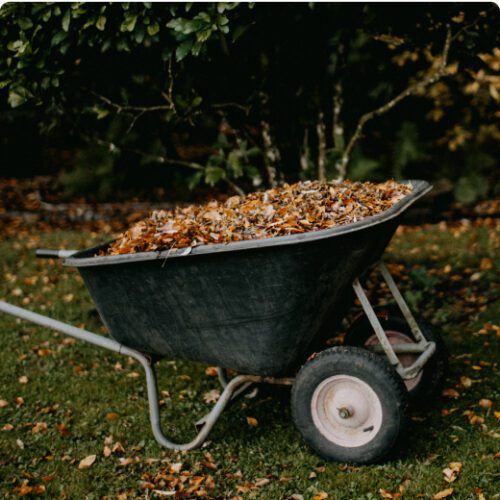
Household waste
Kitchen waste, wastewater, garden waste, etc.
The digester
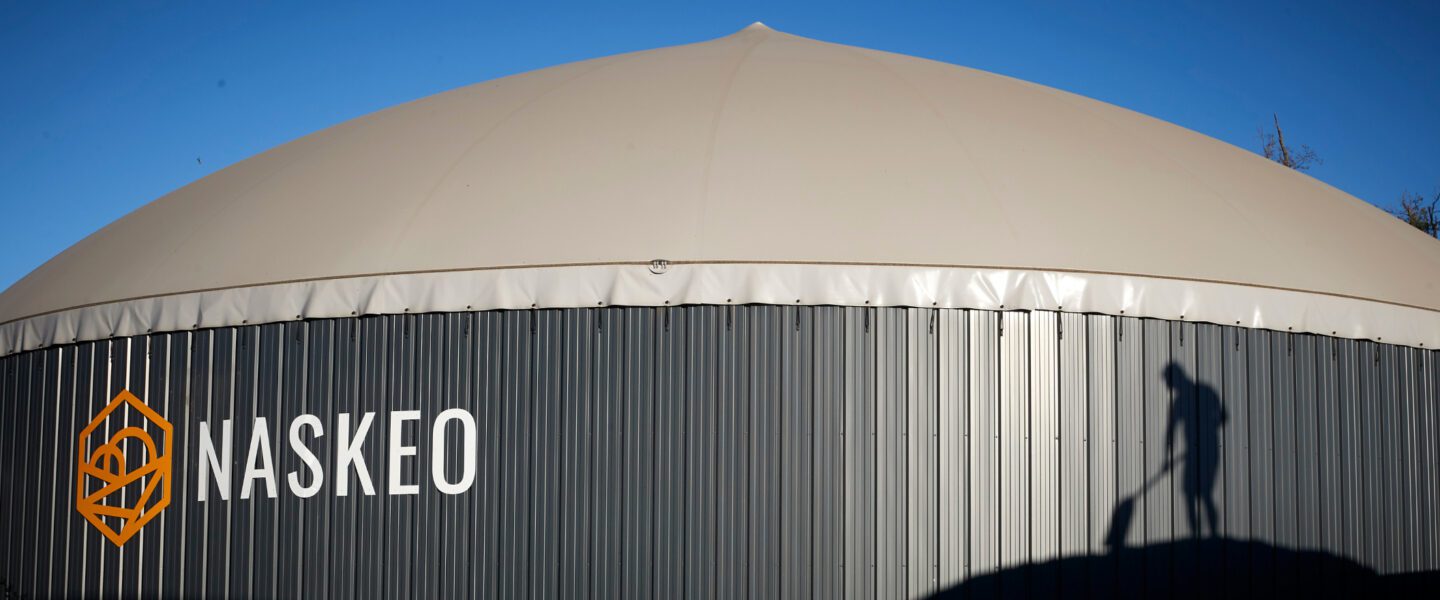
Once the organic waste is in the digester – which recreates the optimal conditions for digestion (a low-pressure, oxygen-free, watertight environment with a constant temperature of 38°C) – and thanks to the microorganisms and bacteria that break it down, the organic waste ferments to create biogas or biomethane when purified and then is injected into the GRDF system (France’s main distributor of natural gas).
There are two types of digesters: liquid and discontinuous dry digesters.
Biogas recovery
Biogas recovery is a determining factor in the financial success of any given biomethane production project. There are currently several ways to recover biogas. The injection of biomethane into natural gas networks and cogeneration (generation of electricity) are the two most common recovery methods used in France and around the world. The decomposition of organic matter also produces a humus-rich, partially stabilized residue called digestate, which can then be reused for agricultural purposes as a natural and organic fertiliser.
Fertiliser
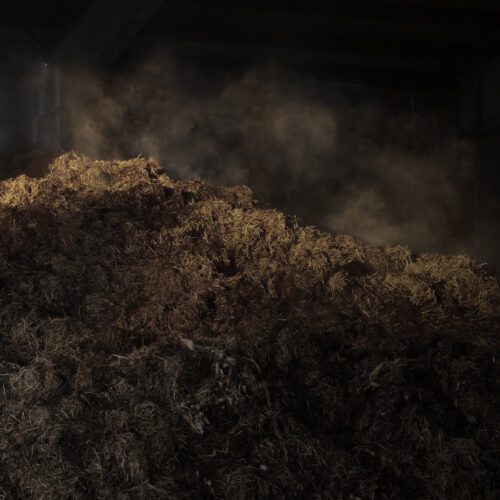
The decomposition of organic matter also produces a humus-rich, partially stabilized residue called digestate, which can be used to fertilize farmland and support its natural performance. Unlike chemical fertilisers, digestate helps maintain the quality of the soil in the long term, rather than purely offering a short-term fix.
Biogas injection
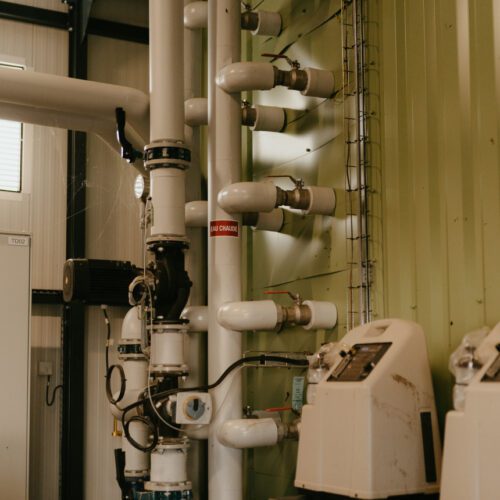
Biogas produced by biomethane plants undergoes a purification process to remove impurities (water, hydrogen sulfide, carbon dioxide, etc.) so that only pure biomethane remains. This is then injected into the distribution network
Cogeneration of electricity
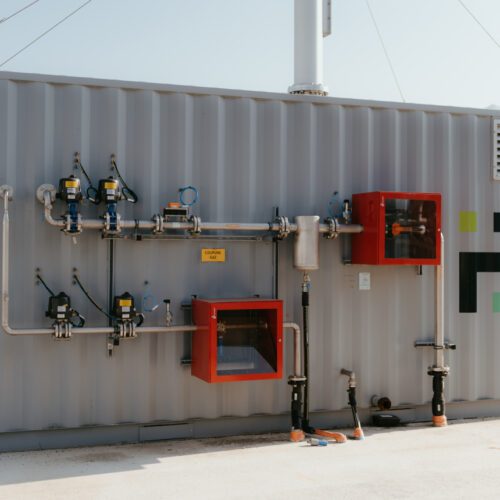
Biogas is compressed and injected into a cogeneration engine, which powers a generator to produce electricity, which is then injected into the Enedis electrical grid. The heat is recovered from the engine and exhaust gas cooling systems to power the biomethane production process and to –
The benefits of biomethane production
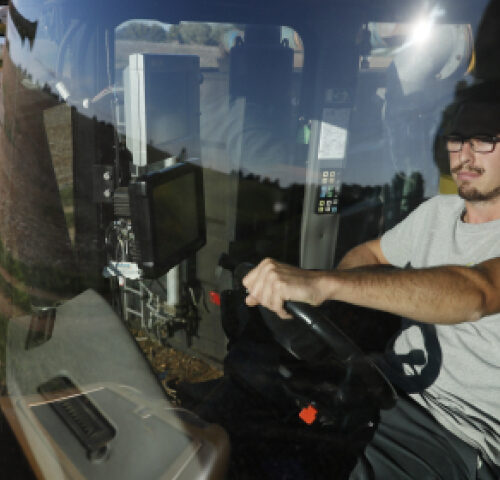
For farmers
• New business opportunities
• A stable form of additional income over 15 years
• Agronomic improvement of outflows
• Reinforcement of the land-farming relationship
• Production of 100% natural fertiliser for spreading on fields
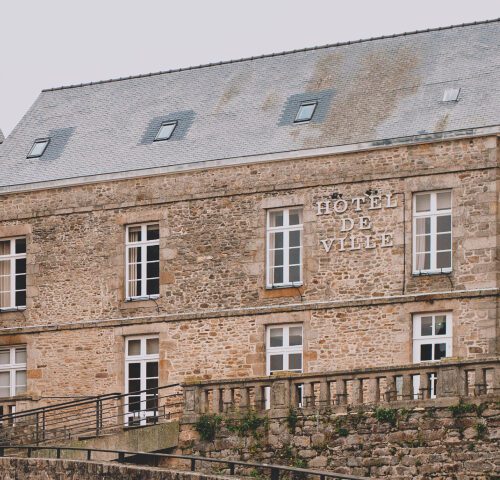
For local authorities
• Creation of local waste processing industry
• Increase in regional energy autonomy
• Potential new business opportunities (installation of a local heat distribution system)
• Fewer odour nuisances for locals and a reduction in greenhouse gas emissions.
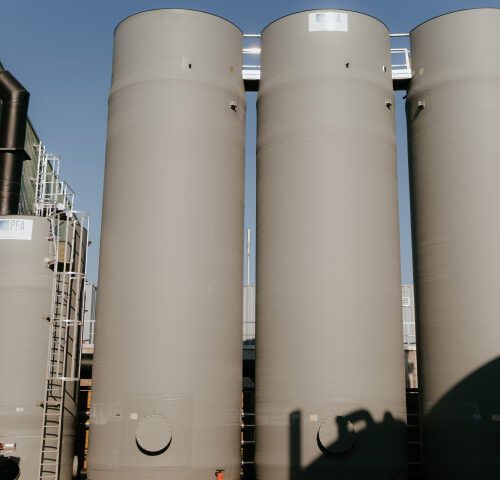
For manufacturers
• Capture of CH4 emissions
• Local generation and sale of electricity, heat and biomethane
• Reduction in need for waste transport.

